A clinical case by our Community member Dr Omar Hasbini
This article and its content are published under the Author’s responsibility as an expression of the Author’s own ideas and practice. Styleitaliano denies any responsibility about the visual and written content of this work.
When patients’ teeth are affected by wear, their primary concern is often aesthetics, especially in the anterior zone. Many fail to identify the underlying issues causing the wear, which leads to aesthetic dissatisfaction. To enhance the smile and recreate ideal harmony in such cases, it is crucial to re-establish proper function, which is essential for the protection of aesthetic corrections.
Maintaining occlusal stability requires the early detection and treatment of wear affecting anterior teeth. If wear affects a canine, it will eventually move mesially and impact the other anterior teeth. As Dr. Galip Gurel discusses in his book, this “occlusal disease” can spread, and if left untreated, will eventually affect posterior occlusion, necessitating a full occlusal rehabilitation.
Proper investigation and a thorough understanding of occlusion are essential to identify the initial cause of the problem, determine how to stop it, and ensure the longevity of the achieved results.
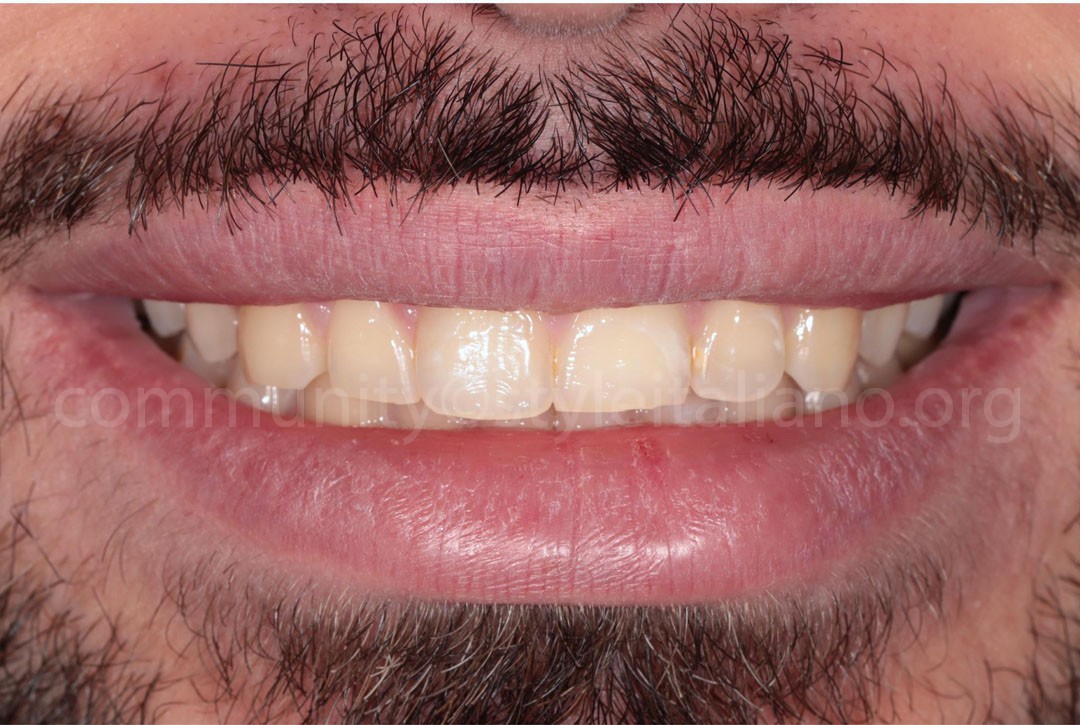
Fig.1
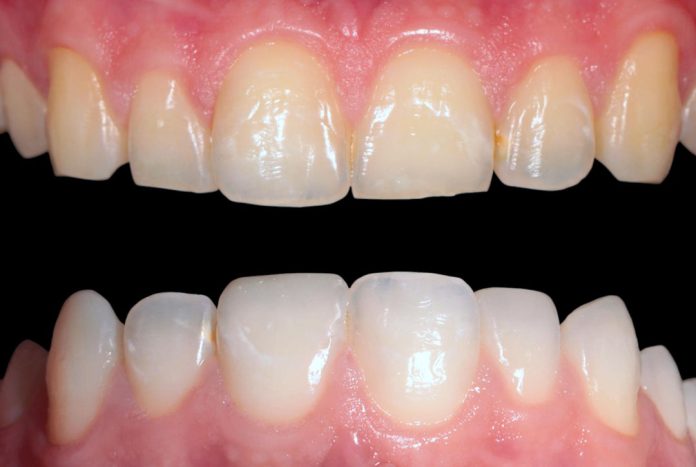
A 22-year-old patient presented to the clinic, expressing concern about his smile. He noticed that some of his teeth were getting shorter than others and wished for a whiter smile. An occlusal problem was detected, which will be discussed in later slides.
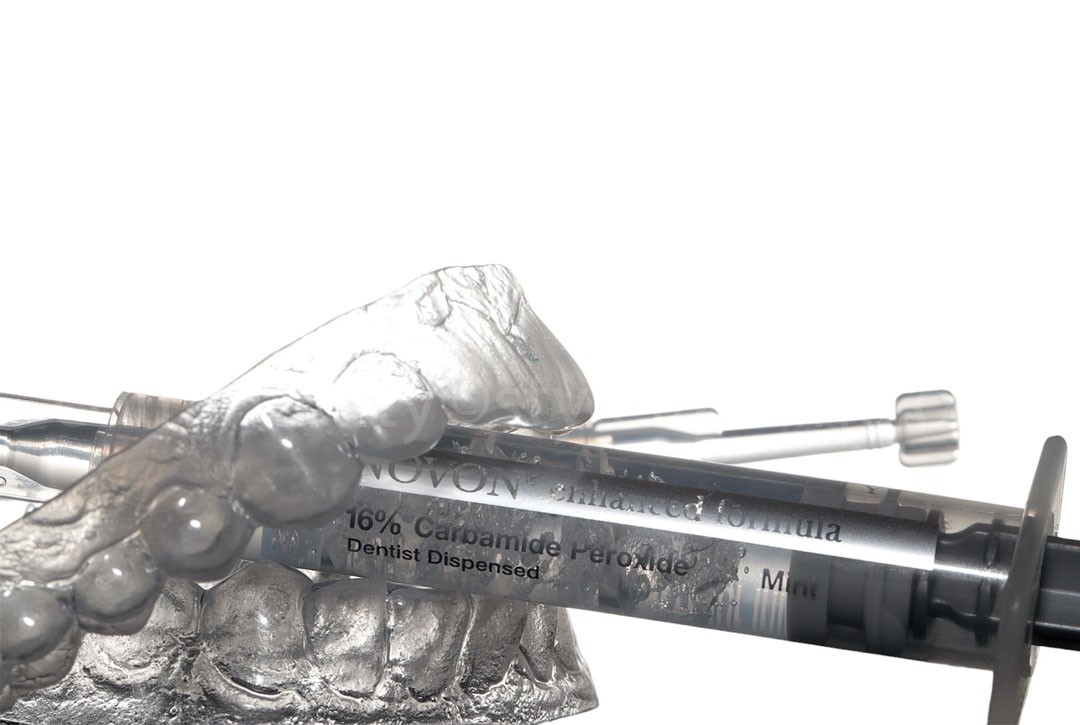
Fig.2
It was decided to begin with the bleaching procedure to match the future composite restorations with the final color. 16% carbamide peroxide (Teeth whitening gels, White Dental Beauty) was chosen as the bleaching product. The patient was instructed to insert the custom trays with one drop per tooth for 4 hours a day over two weeks.


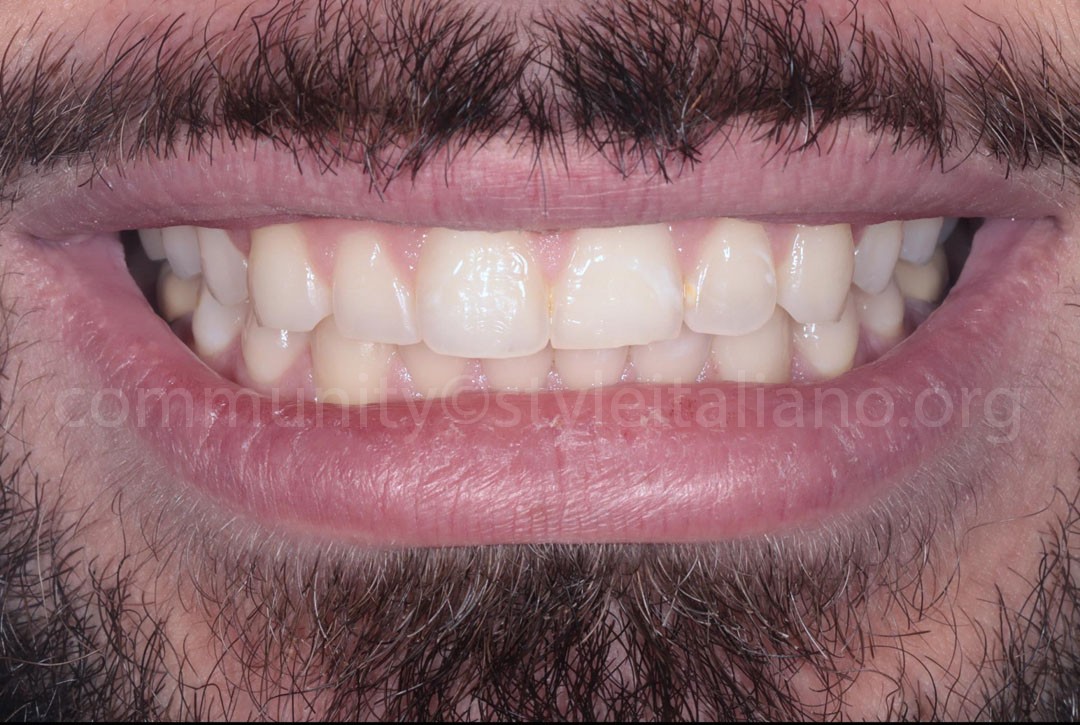
Fig.4
A picture of the patient’s full smile after the bleaching treatment.

Fig.5
Addressing the occlusal aspect, it is crucial to identify the starting point of the disease. The patient does not exhibit a group function in the normal scenario, especially if the canines are considered fully intact in their anatomical aspect, indicating that the patient initially had canine guidance. However, the patient has been grinding his teeth at night, leading to the wearing down of the canines.
As Galip Gurel mentions, if an occlusal disease affects a canine, it will spread mesially until it impacts the other anterior teeth.
In the picture, it is clear that teeth #12 and #42 are now participating in the guidance on the right side, while on the left side, teeth #21, #31, and #41 are involved in the guidance. Since the patient is a grinder, these teeth are also subject to wear, causing them to shorten and highlighting the progression of the occlusal disease.
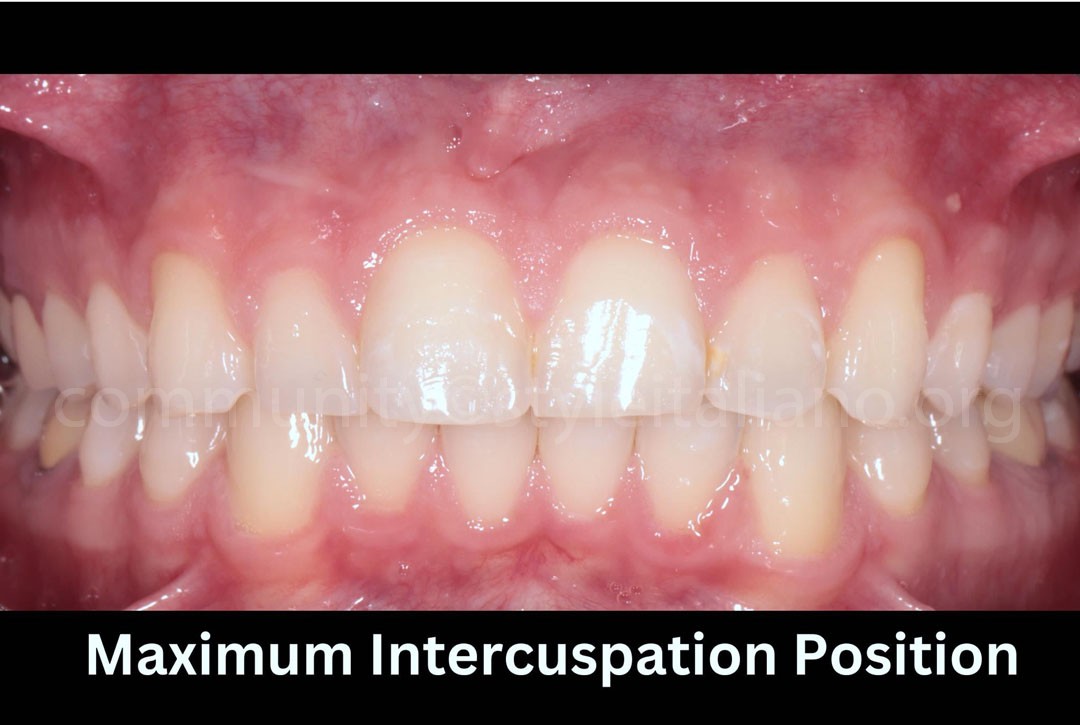
Fig.6
A picture of the patient’s mouth in Maximum Intercuspation Position.
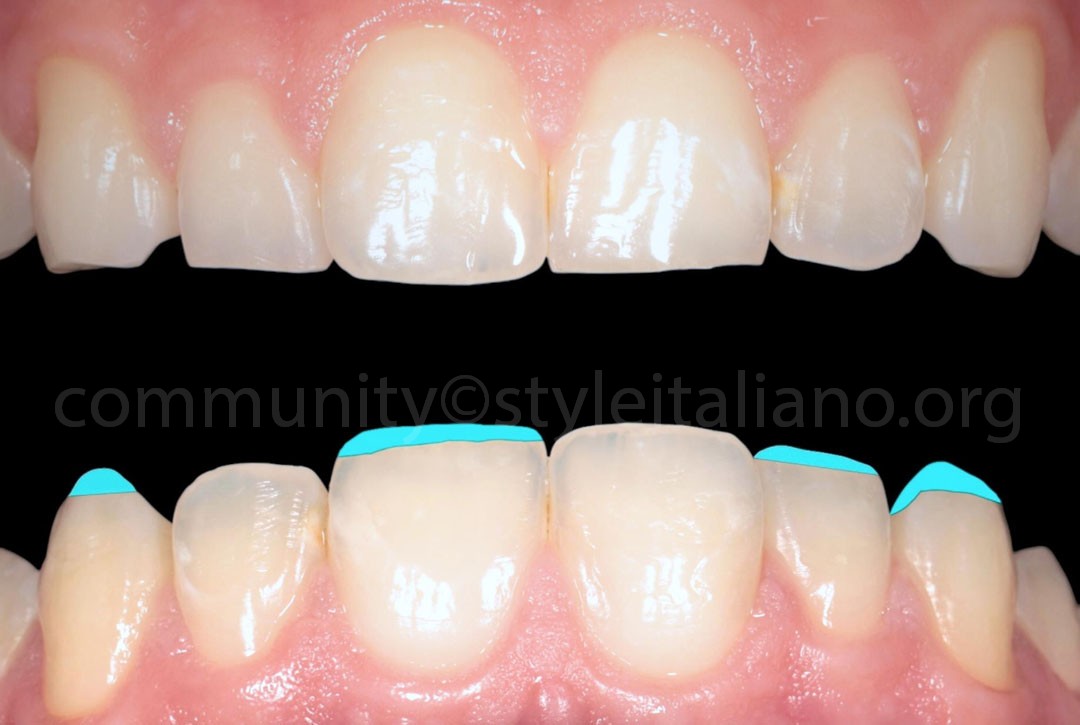
Fig.7
Before proceeding with a wax-up and to establish perfect harmony between the teeth, a two-dimensional (2D) digital wax-up was created. This digital wax-up also served to illustrate the treatment plan to the patient.
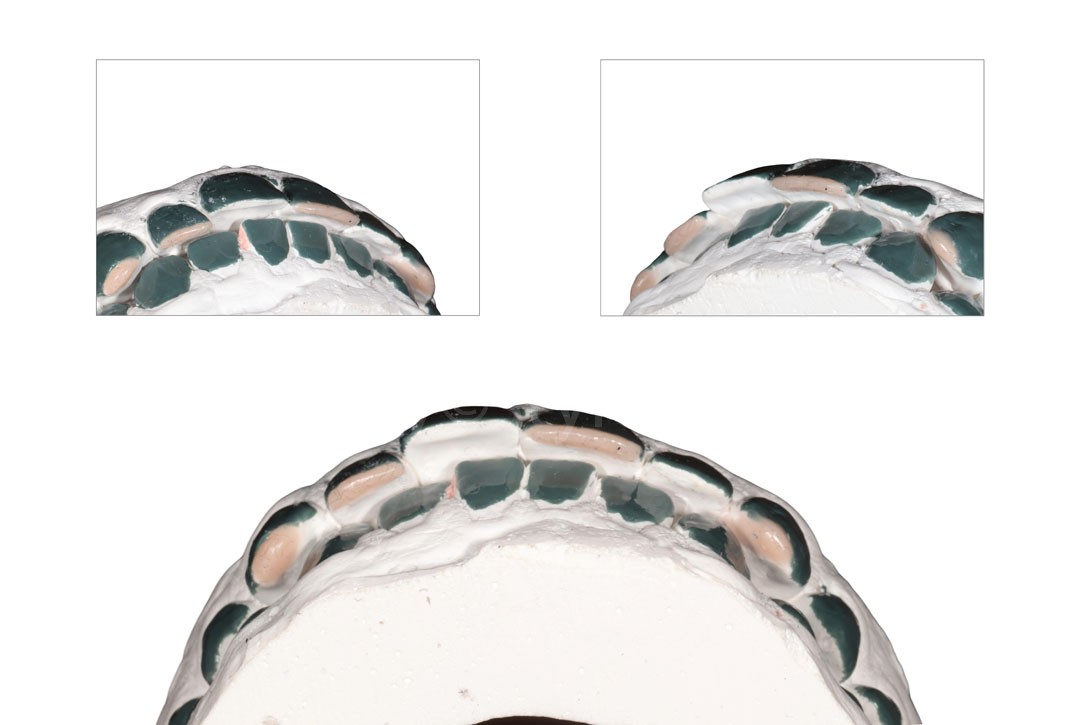
Fig.8
To simulate the patient’s excursions and evaluate the adequacy of future restorations in terms of occlusion, the patient’s models were mounted on an articulator. With the help of the 2D wax-up, the lost of dental substance was restored using wax.
Notice that these future restorations do not interfere with Maximum intercuspation Position in any way. Their margins are situated away from the point of occlusal contact which protects their integrity. Furthermore, to ensure a natural restoration of the guidance, the wax was crafted to seamlessly integrate with the existing tooth structure, avoiding steep angles. This approach not only enhances chewing comfort but also promotes the longevity of the restorations.
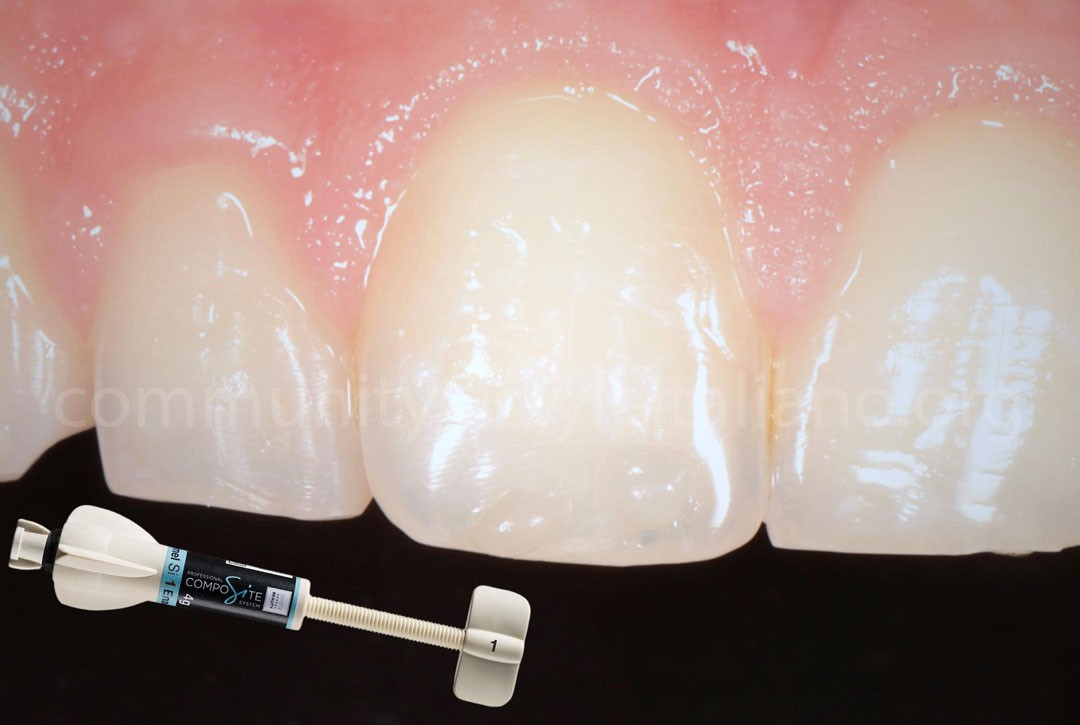
Fig.9
Shade selection was done before rehydration at the beginning of the appointment using the button technique. Body shade composites were used. In this case, the CompoSite Si 1 body shade composite from White Dental Beauty was selected.
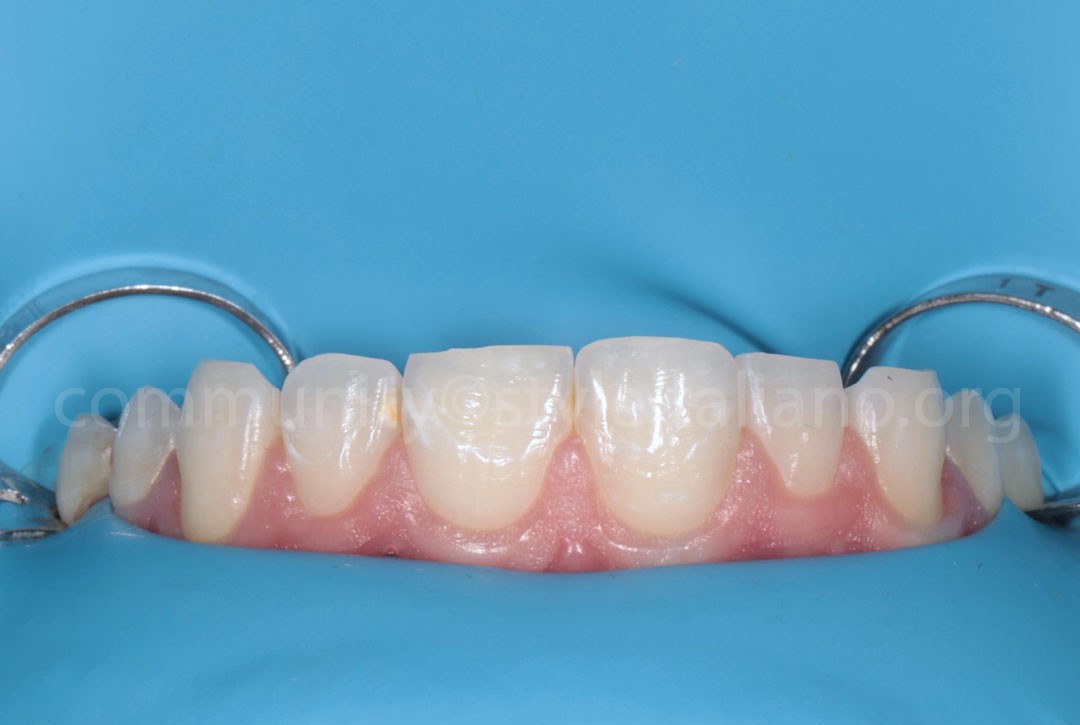
Fig.10
The Sanctuary dental dam was placed from the right second premolar to the left one using the Split Dam technique.
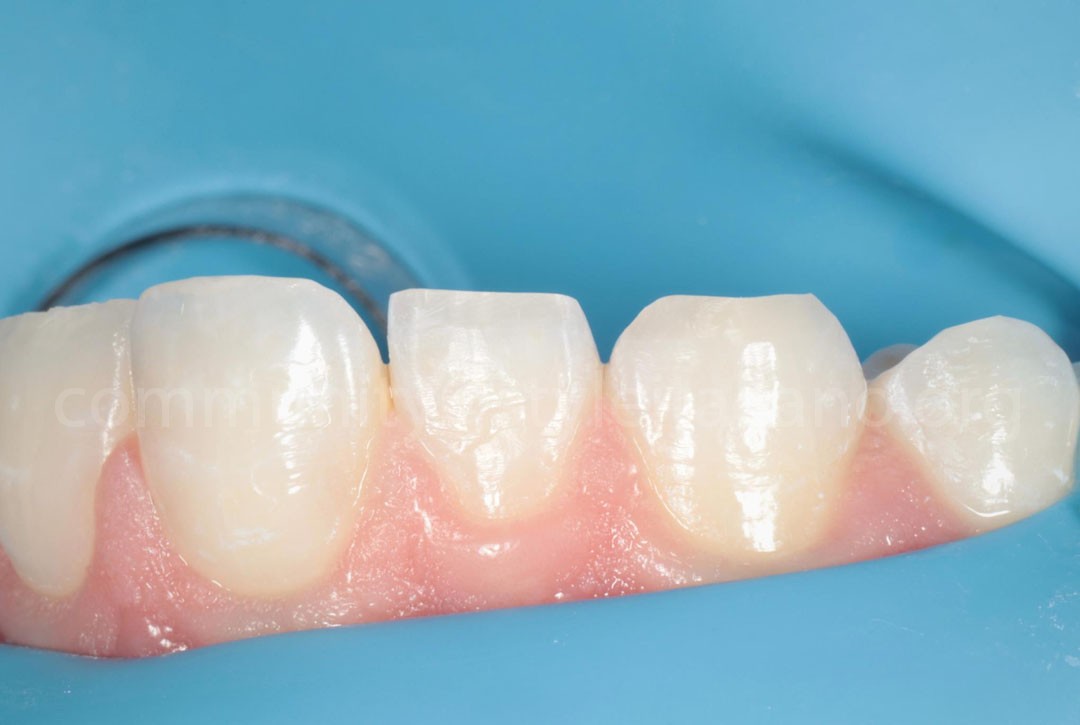
Fig.11
A 45-degree bevel was created on each tooth’s buccal and lingual aspects to ensure maximum adhesion. Additionally, irregularities were introduced on the buccal bevel to facilitate a smoother transition between the dental substance and the restoration.
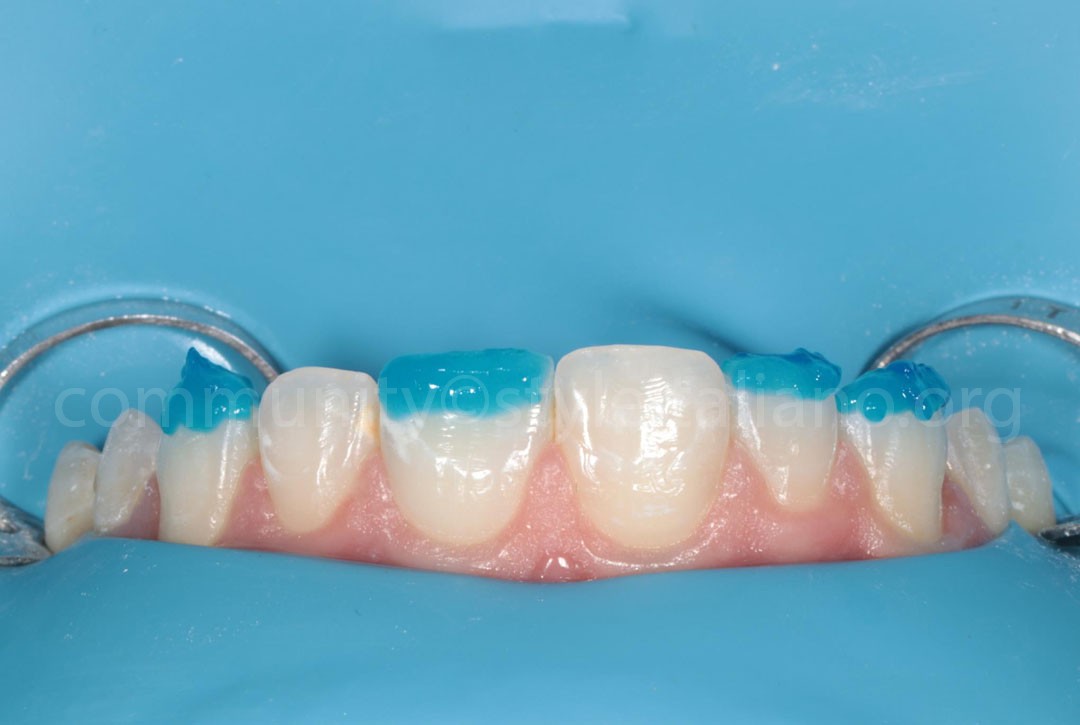
Fig.12
Ortho phosphoric acid etching was extended a little bit beyond the bevel and applied for 30 seconds.
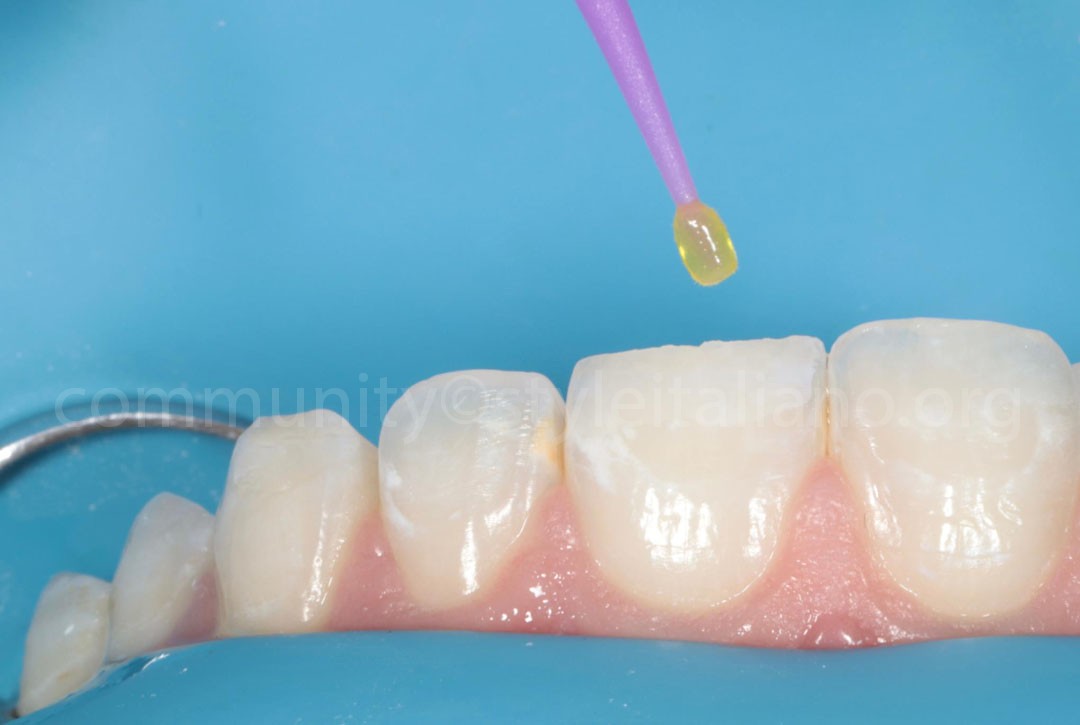
Fig.13
A layer of universal bonding agent was applied, followed by a prolonged air-blowing time of 15 seconds, as recommended by Hardan et al., to enhance the immediate adhesive properties. This process was repeated with an additional layer of bonding agent, followed by the same air-drying protocol.
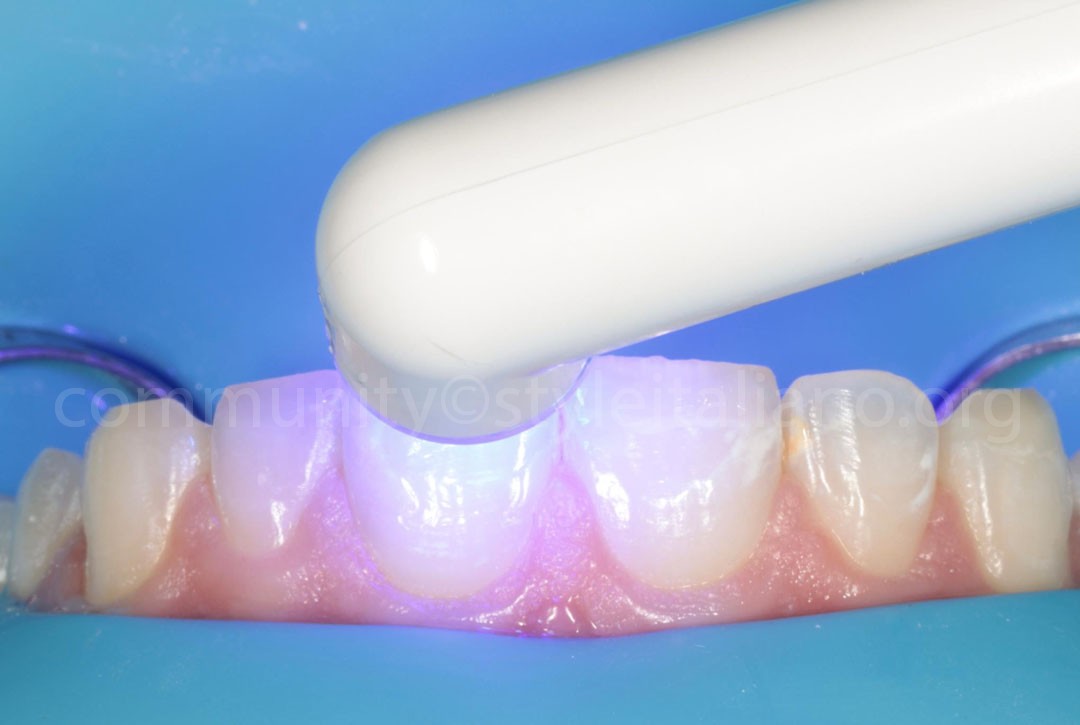
Fig.14
The adhesive layer was cured for 40 seconds using the Curing Pen E (Eighteeth, Changzhou, China).


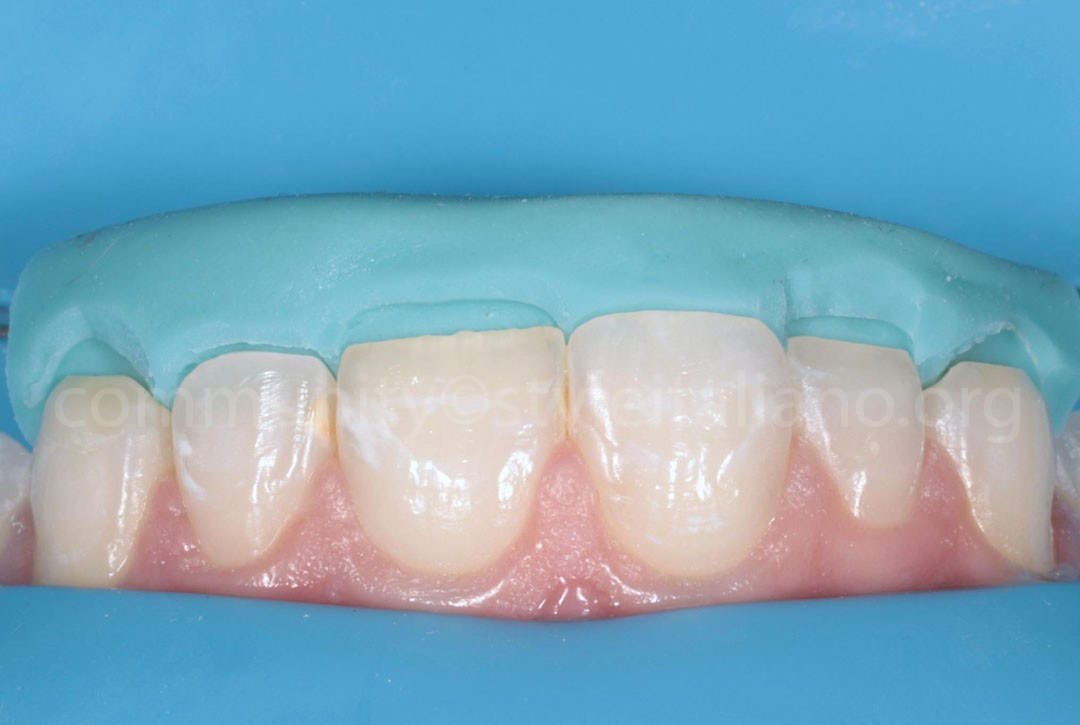
Fig.15
A silicon key was made on the wax-up which simulated a proper occlusion and a harmonious smile.
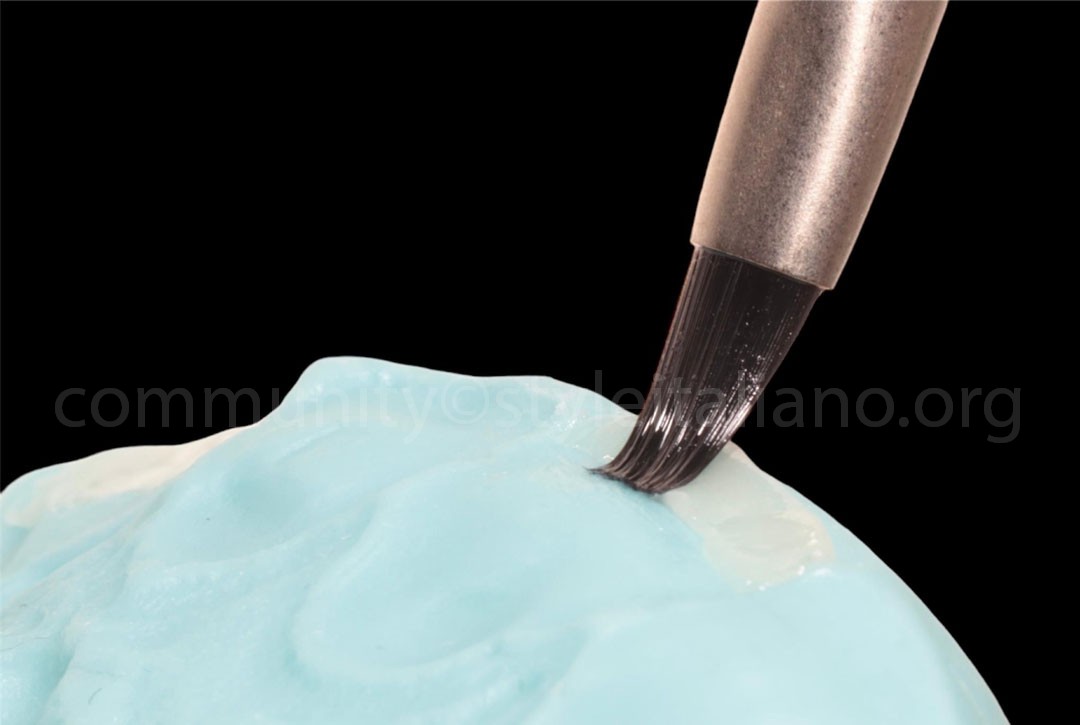
Fig.16
The silicone key was utilized to create a palatal shell for each tooth. The applied composite was then adapted and smoothed using the CompoBrush (Smile Line, Saint-Imier, Switzerland) ensuring optimal precision during this crucial step that dictates the success of the procedure.
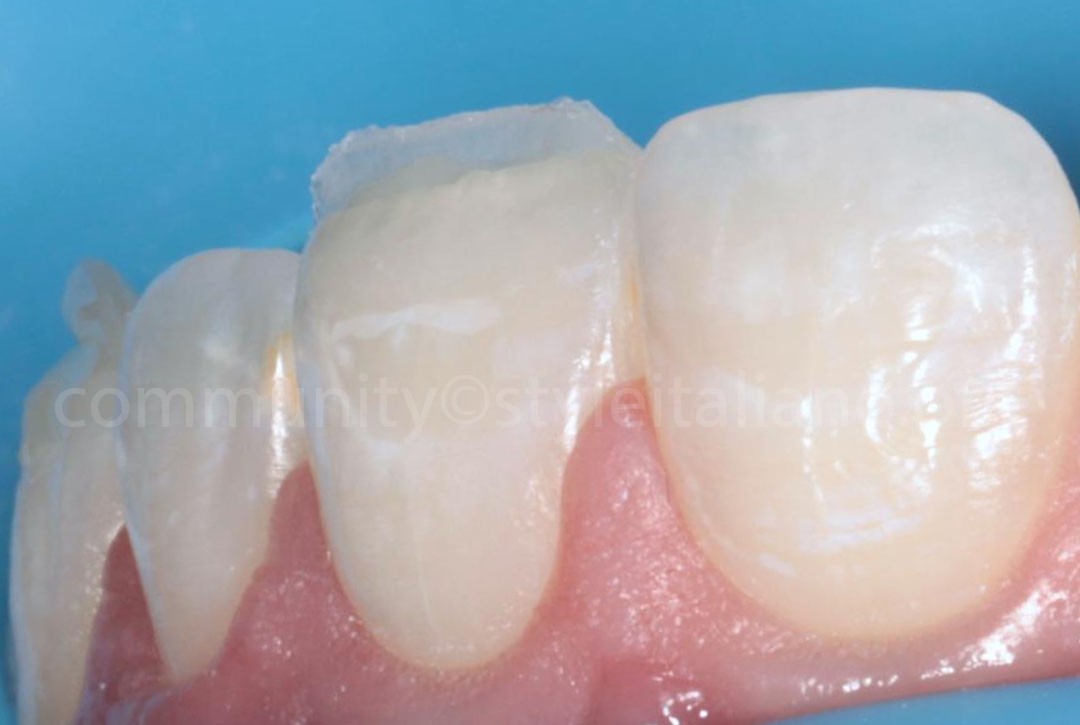
Fig.17
A close-up picture of the palatal shells demonstrating the precision of their crafting when using the CompoBrush.
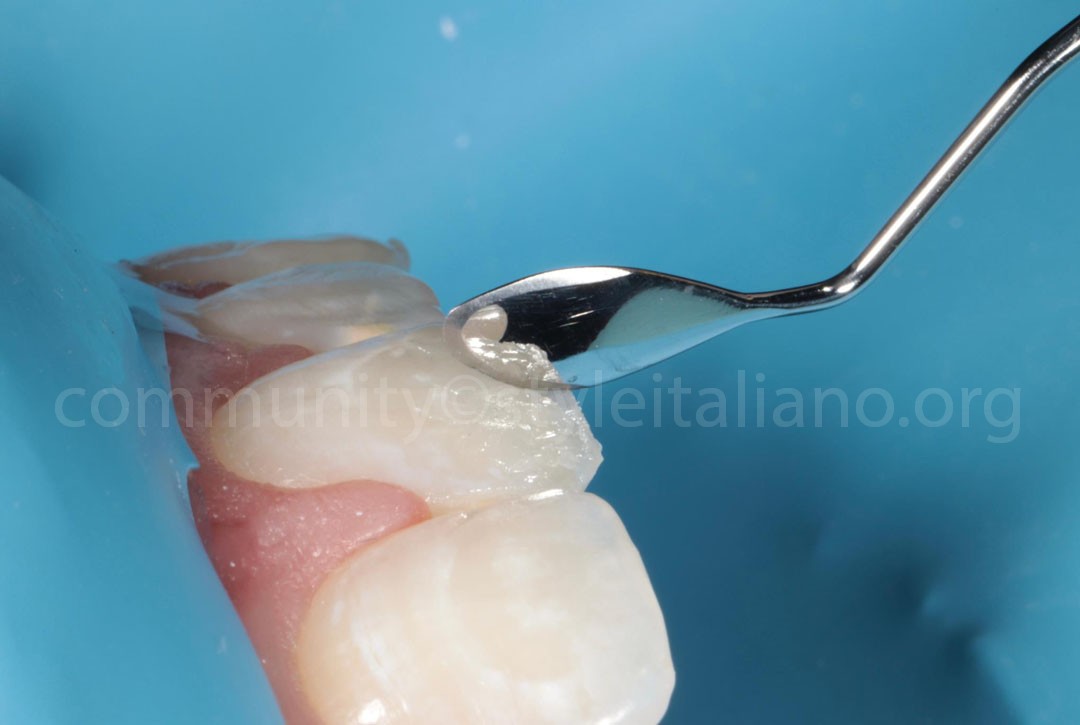
Fig.18
Some composite was applied, and mamelons were established using an instrument with a sharp tip, allowing for precise micro modeling of the composite. Some flowable CompoSite (SI MP Multiplo from White Dental Beauty) was consequently applied between the mamelons to give a translucency effect.
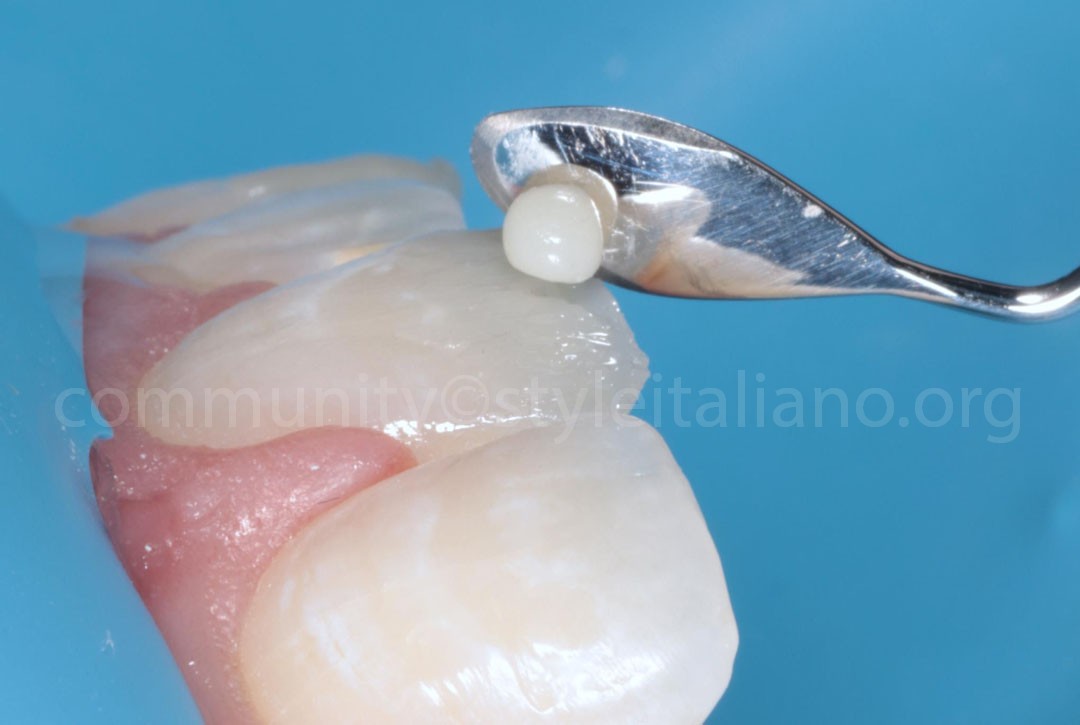
Fig.19
Finally, a layer of CompoSite Si E from White Dental Beauty was applied.
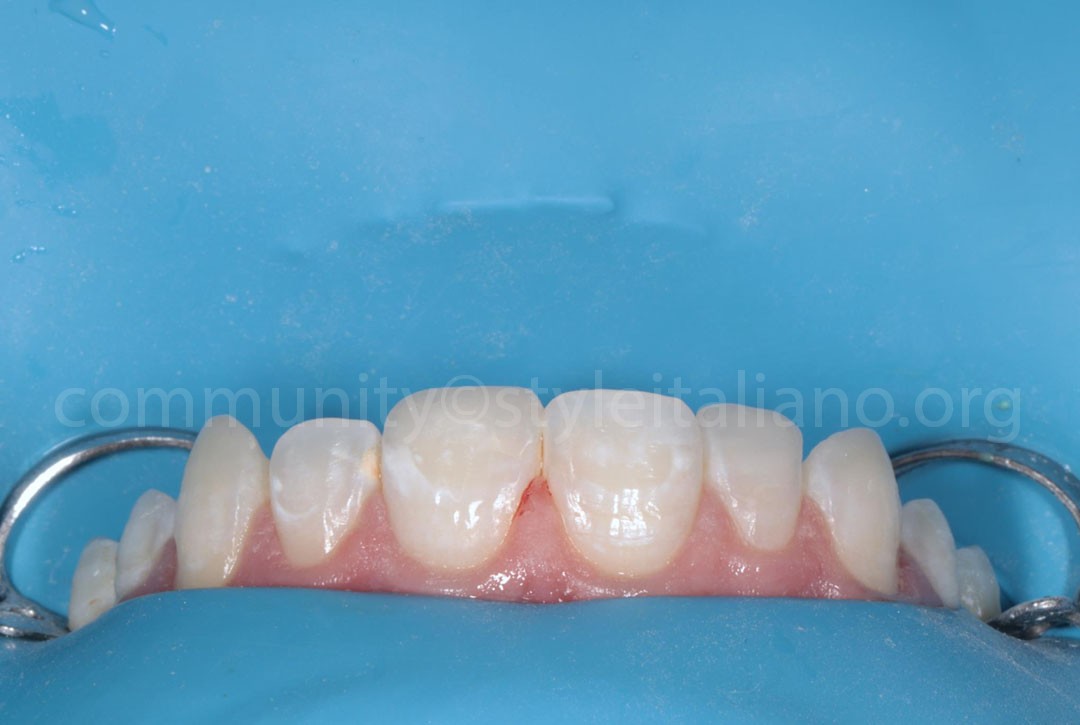
Fig.20
Final situation of the restorations before finishing and polishing, some modifications were necessary to ensure maximum harmony.
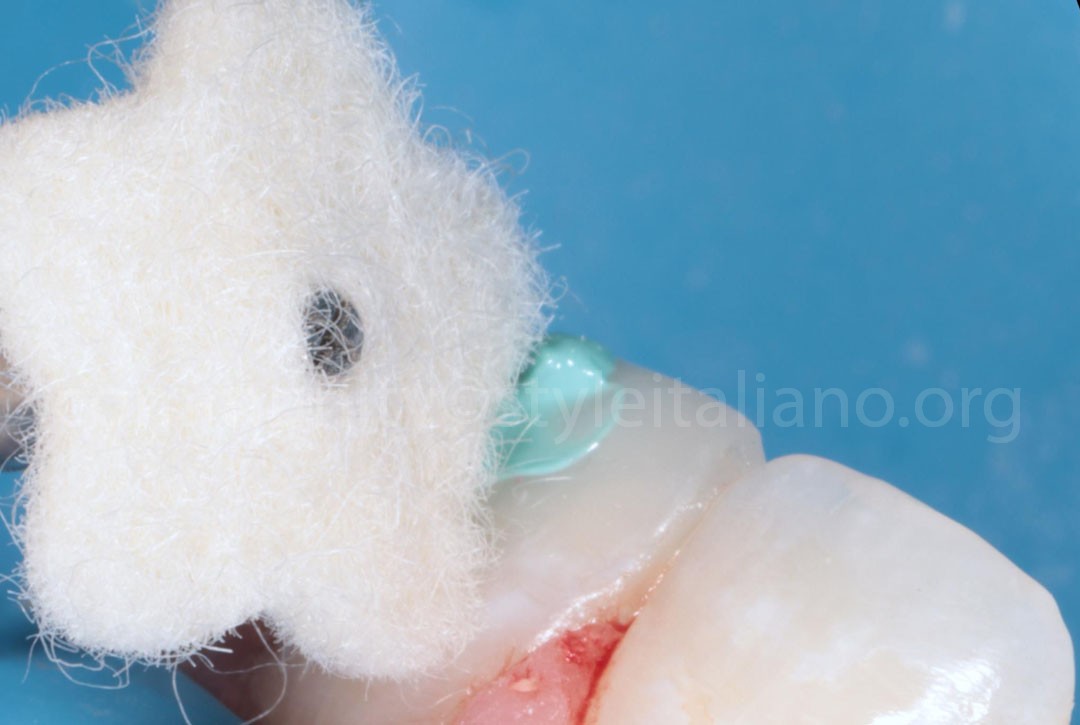
Fig.21
After finishing and giving the final shape for each tooth, the Lucida Gloss Composite System (Diashine) was used. The combination of the DiaShine Lucida™ Paste with Lucida Star Felt with a mandrel was used to polish and improve the gloss of the final restoration. The system was first used on dry teeth, followed by the application of some water drops to enhance the polishing effects.
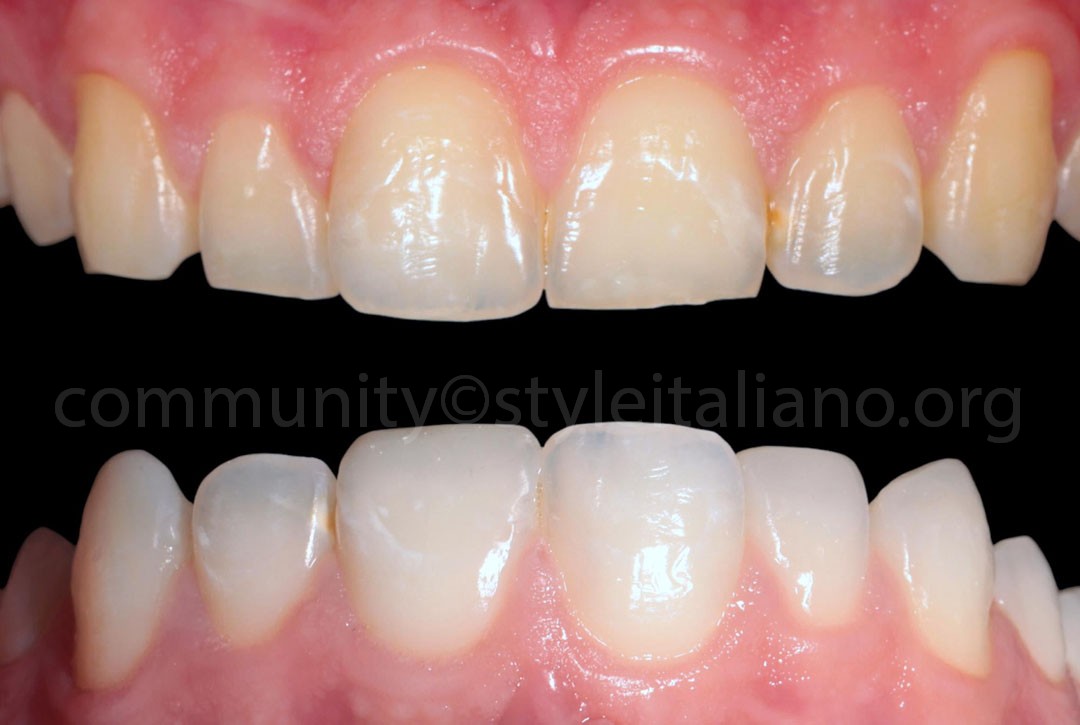
Fig.22
A picture comparing the initial situation with the last situation one-week post-op.
Notice the perfect integration and shade matching of the restorations which re-established a perfect harmony between the teeth.

Fig.23
On the occlusal aspect, a great difference is noted.
The canine guidance was restored, this in turn ensures the protection of the anterior teeth from potential wear and prevents the spreading of the occlusal disease among them and among the posterior teeth which would be wiped out in the future if the patient wasn’t treated.
To prevent the wearing of the restorations an occlusion splint for bruxism was advised for the patient.
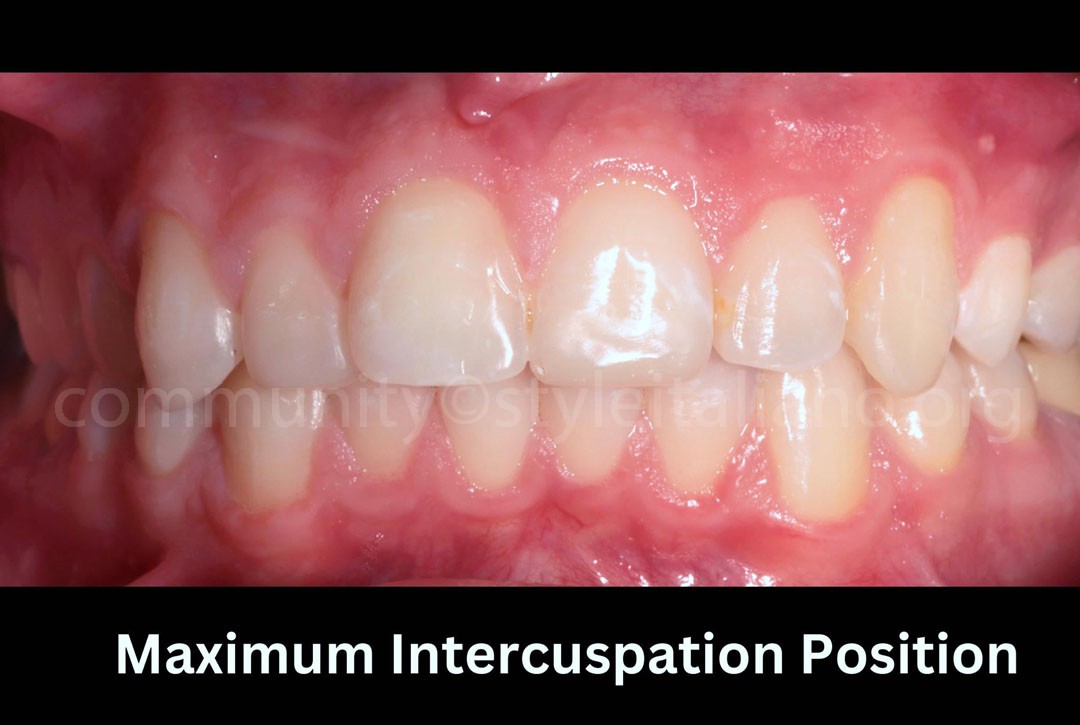
Fig.24
A picture showing the intra-oral situation of the patient in Maximum Intercuspation Position.
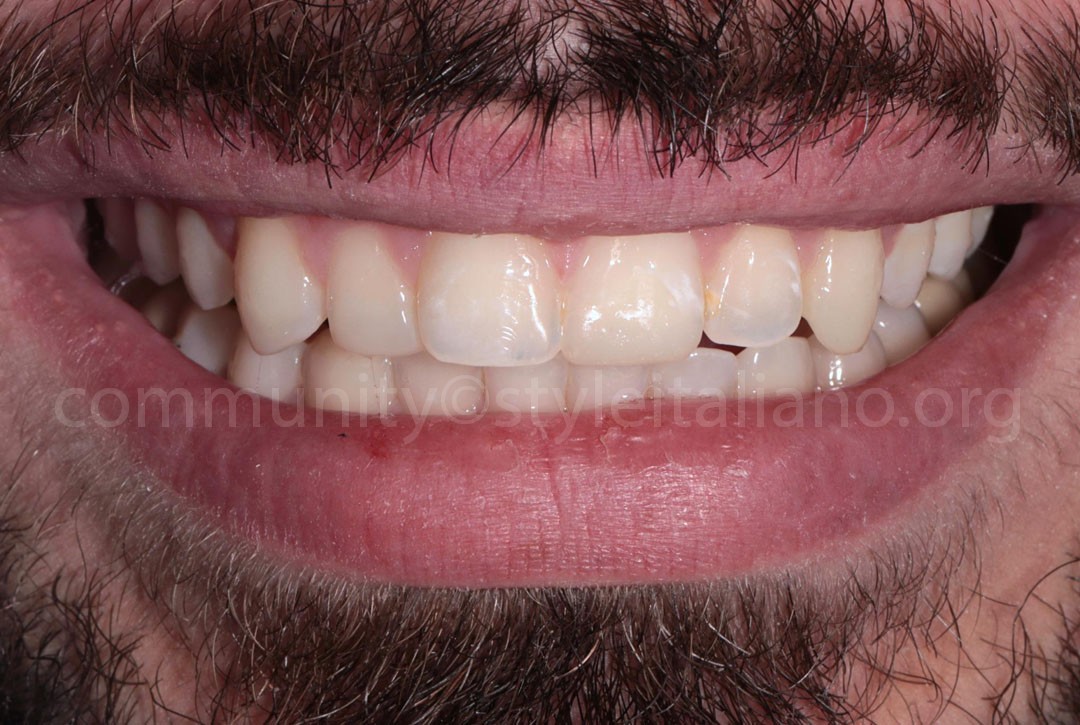
Fig.25
A full smile picture of the patient showing his harmonious white smile.
Conclusions
It is crucial to detect and treat the early manifestations of wear to prevent them from propagating and causing damage to the entire dentition. Occlusal parafunctions can be an initiating cause of such problems, leading to the loss of functional occlusion or, in other terms, the loss of guidance. In such cases, it is essential to address both the cause and the resulting damage. Treating only the damage by restoring esthetics and function will not yield long-lasting results. Eliminating the cause or its effects is therefore crucial, which is why occlusal splints are generally indicated in similar scenarios. The restoration of an anterior segment should be approached from the viewpoint of occlusal maintenance and functional excellence.
Bibliography
- Galip Gürel. The Science and Art of Porcelain Laminate Veneers 2003.
- https://www.styleitaliano.org/secrets-behind-a-white-smile-with-confidence/
- Hardan L, Bourgi R, Kharouf N, Mancino D, Zarow M, Jakubowicz N, Haikel Y, Cuevas-Suárez CE. Bond strength of universal adhesives to dentin: A systematic review and meta-analysis. Polymers. 2021 Mar 7;13(5):814.